FT FUNDAMENTAL SCORE
Score—
Bias—
Confidence—
Score evolution
Not enough history yet.
News, regulation and market catalysts.
Launch the right calculator for your goal — risk, markets, growth, income or long-term planning.
A live crypto snapshot, refreshed automatically — spot conditions worth investigating, then open the right tool.
Not enough history yet.
News, regulation and market catalysts.
Smoothed 4h context, updated every 15 minutes; not a buy or sell signal.
Aggregate reading of market mood.
Live data is unavailable right now. The calculators still work without it.
Instead of another dashboard full of numbers, each FinanceTools screen starts with a task: size a position, estimate liquidation, compare funding, model compounding or rebalance a portfolio.
Tools are designed to work together, reducing repeated inputs and helping you move through a financial task with less friction.
Define account risk first, map liquidation risk, then evaluate a target or exit outcome with net PnL.
Surface unusual funding or price spreads, then check fees, liquidity and transfer conditions before treating a signal as actionable.
Explore recurring contributions, compound growth and effective yield, then use portfolio targets to calculate rebalancing actions.
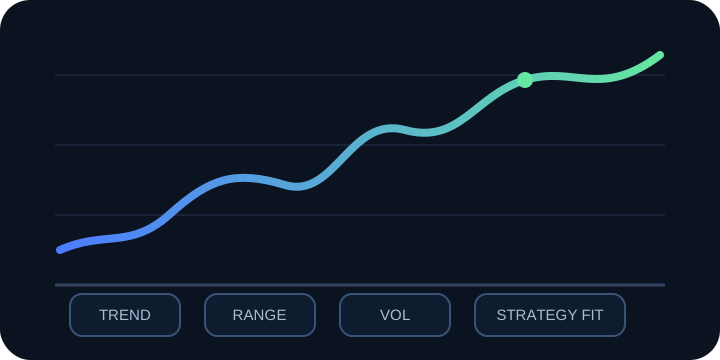
Translate trend, volatility and breakout context into transparent strategy-fit scores, then move into position sizing and risk validation.
Choose the task you need now. Each tool keeps inputs focused, results readable and limitations visible.
No tools match your search.
Plan exposure and understand leveraged downside before a trade.
 AVAILABLE
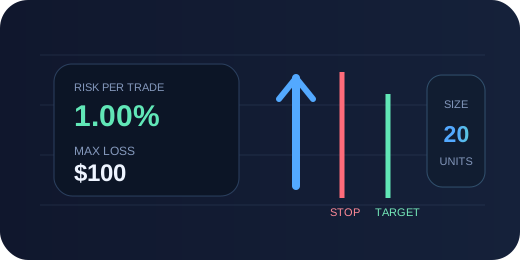
Calculate trade size from account risk, stop distance and maximum loss.
 NEW · AVAILABLE
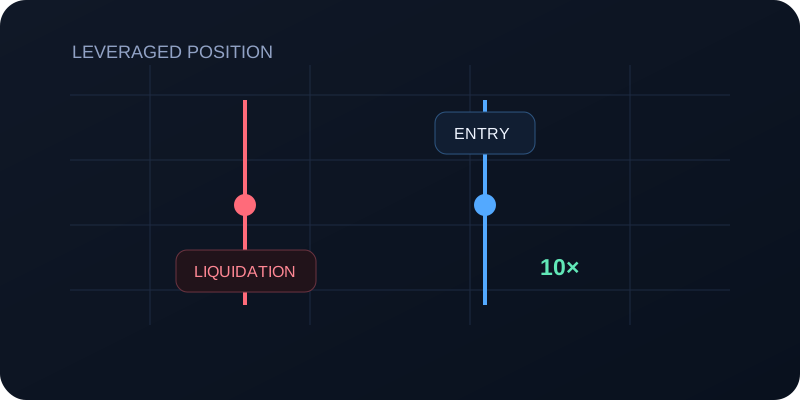
Estimate liquidation price and distance using entry, leverage and maintenance margin.
 NEW · AVAILABLE
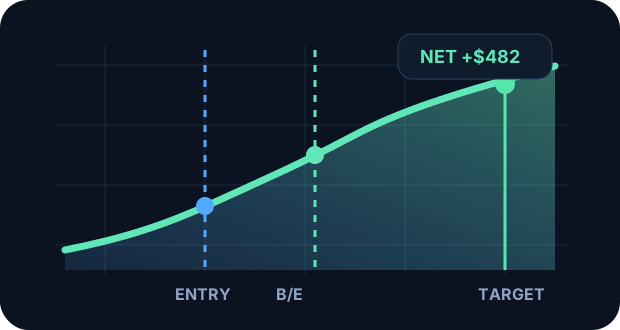
Calculate gross and net PnL, fees, break-even, ROI and ROE for leveraged futures scenarios.
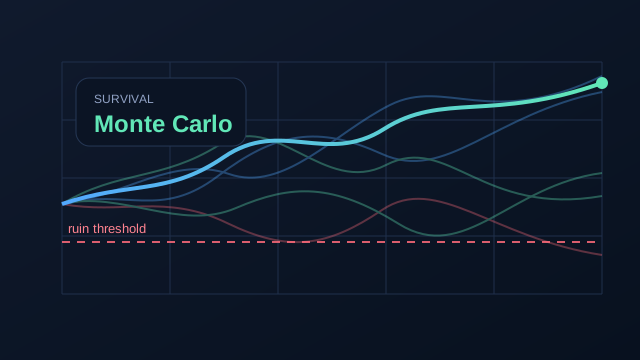 NEW · AVAILABLE
Estimate ruin probability, drawdown risk and ending-capital ranges with reproducible Monte Carlo simulations.
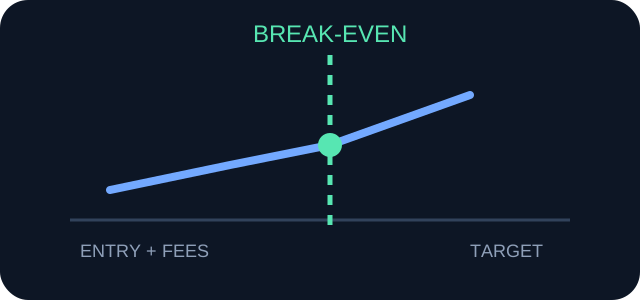 NEW · AVAILABLE
Calculate the true exit price needed to recover entry, fees and costs.
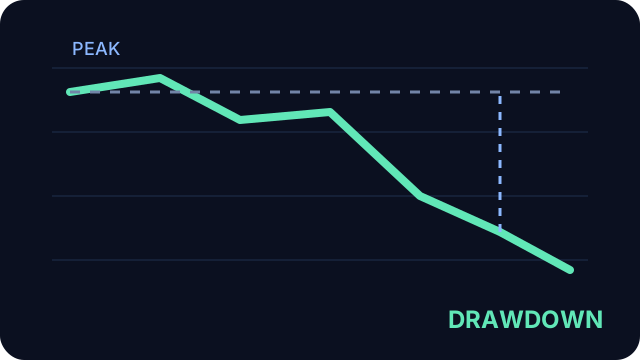 NEW · AVAILABLE
Calculate loss from a peak, recovery required and remaining drawdown risk budget.
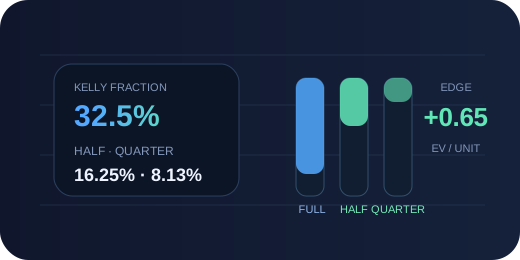 NEW · AVAILABLE
Size bets from win probability and payoff ratio using the Kelly fraction.
 NEW · AVAILABLE
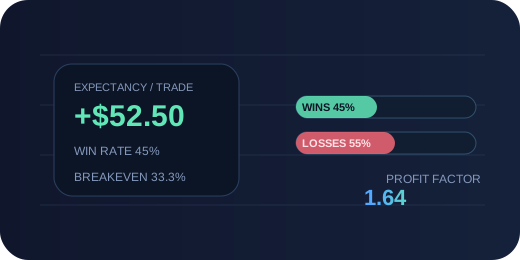
Calculate expected value per trade, breakeven win rate and profit factor.
Surface unusual differences, then evaluate whether they survive real-world constraints.
 AVAILABLE
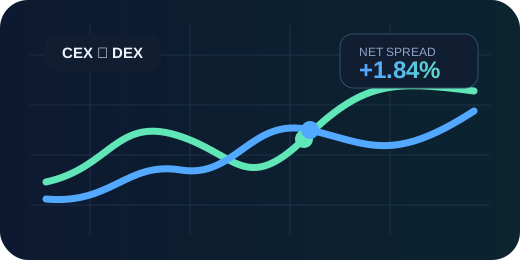
Compare CEX and DEX spreads with fees, liquidity and transfer context.
 AVAILABLE
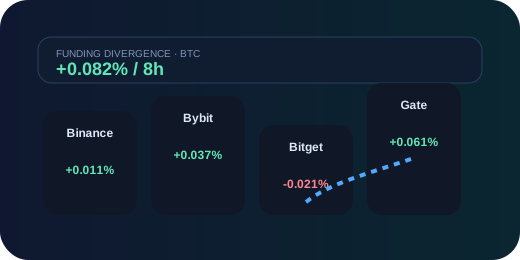
Compare normalized perpetual funding and surface unusual cross-exchange divergences.
 NEW · AVAILABLE
Prices, movers, volume, ranges and funding in one live market snapshot.
Turn market context into strategy compatibility before choosing how to execute.
Model accumulation, long-term growth and target portfolio allocation.
 NEW · AVAILABLE
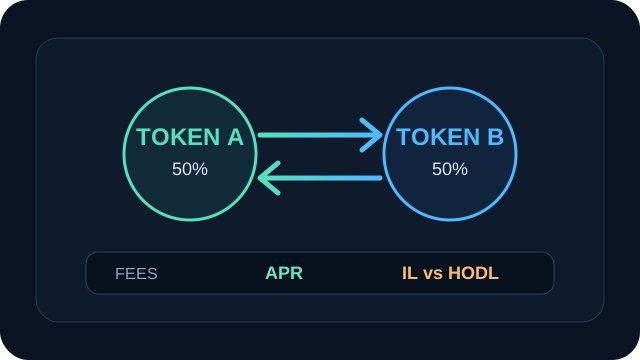
Estimate LP fee APR, impermanent loss and net value versus HODL.
 AVAILABLE
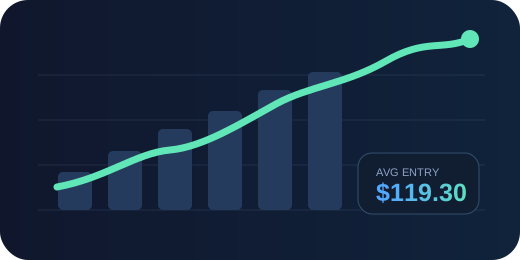
Model recurring investments, average entry price and accumulation scenarios.
 NEW · AVAILABLE
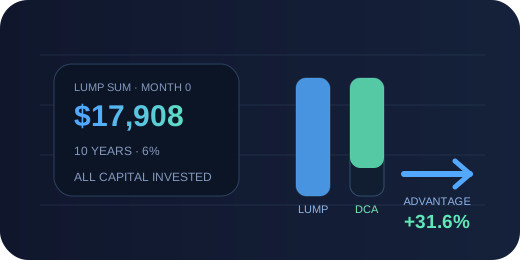
Compare investing a lump sum now versus spreading it over monthly installments.
 AVAILABLE
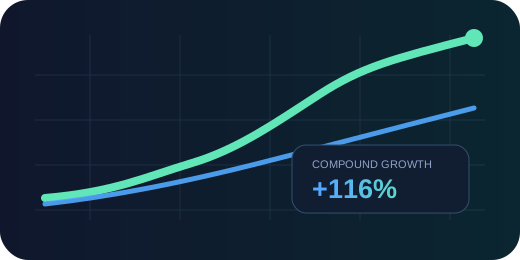
Project capital growth with contributions, rates, compounding and inflation.
 NEW · AVAILABLE
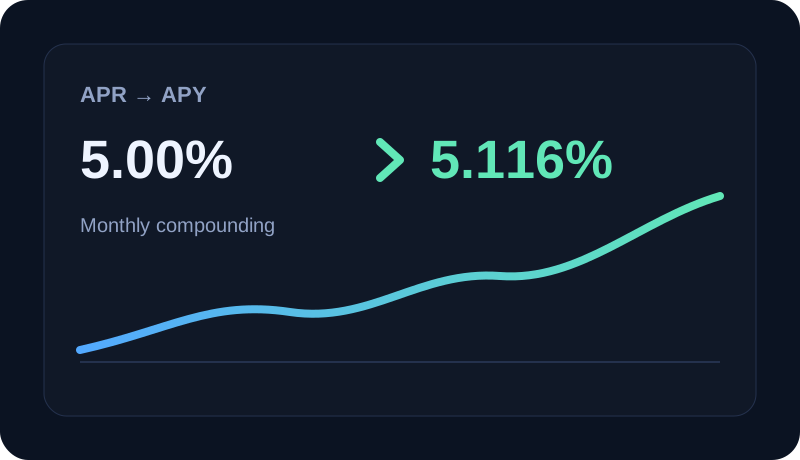
Convert APR and APY, compare compounding frequencies and project balance growth.
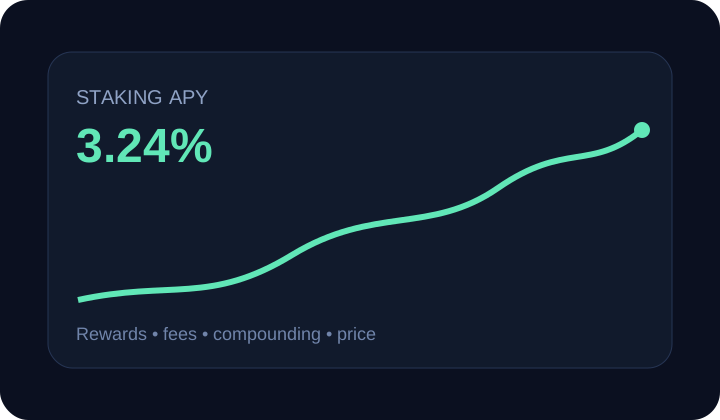 NEW · AVAILABLE
Estimate staking rewards, validator fees, compounding and token-price scenarios.
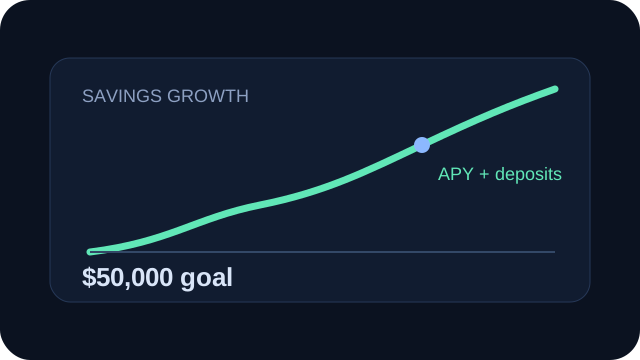 NEW · AVAILABLE
Estimate how regular savings can grow with APY, recurring contributions and inflation-adjusted purchasing power.
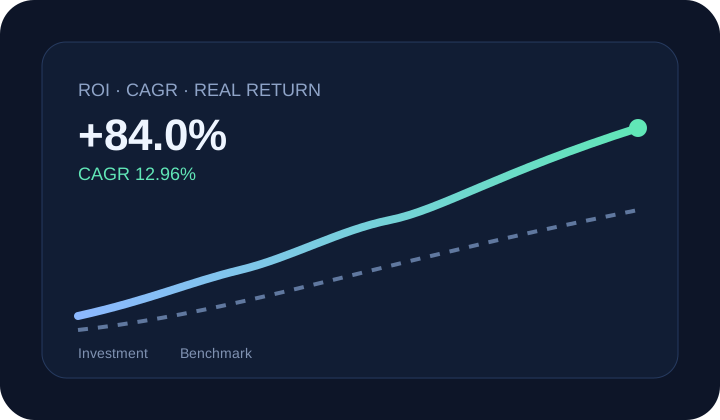 NEW · AVAILABLE
Calculate ROI, CAGR, real return and benchmark-relative performance.
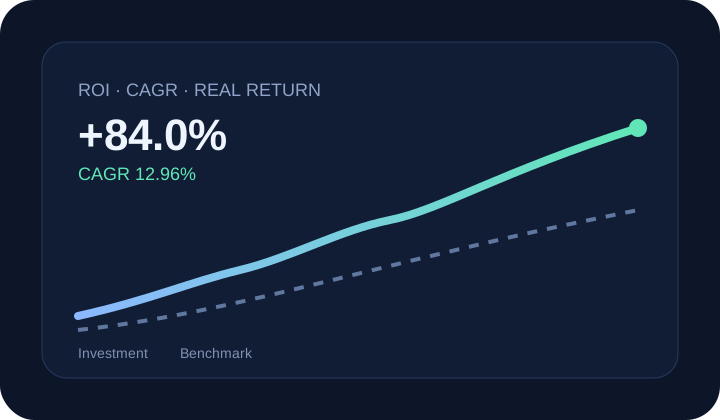 NEW · AVAILABLE
Measure contribution-adjusted return, benchmark gap and drawdown without hiding cash-flow limitations.
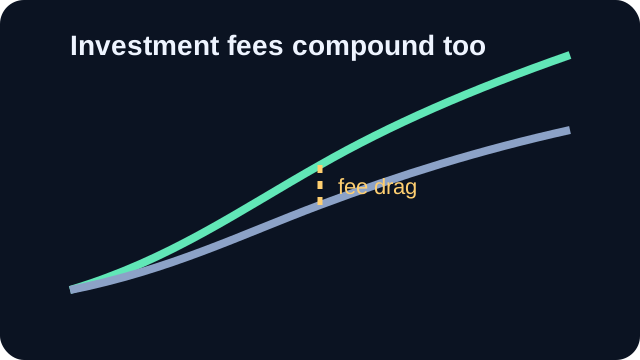 NEW · AVAILABLE
See direct fees, lost compounding and the final wealth gap versus a no-fee scenario.
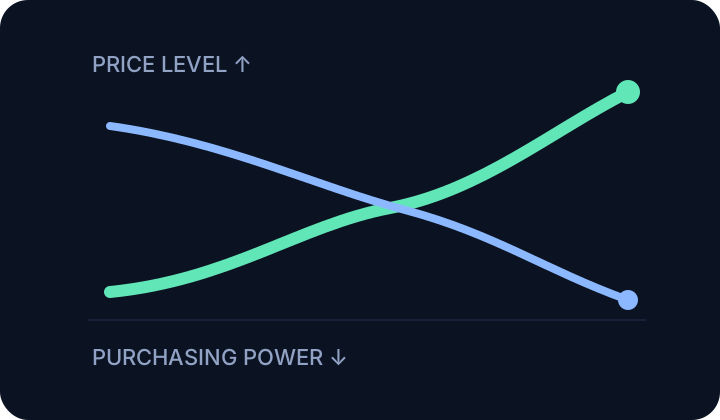 NEW · AVAILABLE
Measure future prices, purchasing power and inflation-adjusted real return.
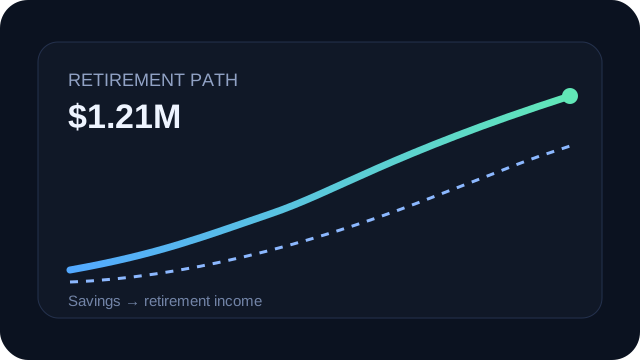 NEW · AVAILABLE
Estimate retirement savings, target portfolio, funding gap and sustainable monthly income.
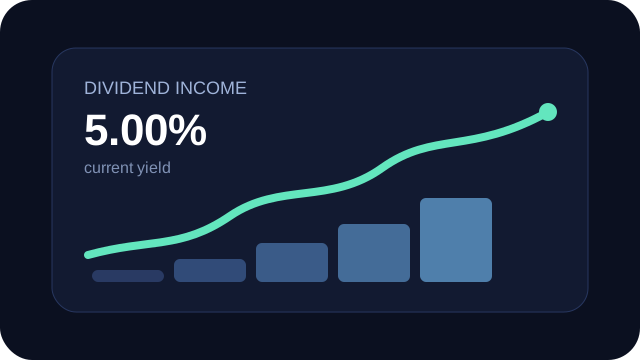 NEW · AVAILABLE
Calculate dividend yield, income, growth and DRIP reinvestment scenarios.
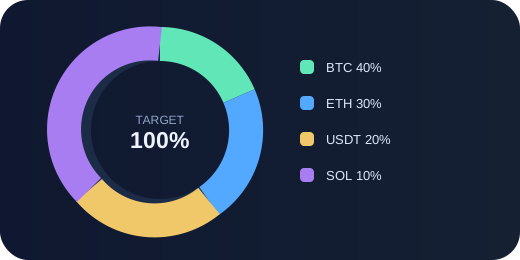 AVAILABLE
Calculate what to buy or sell to restore your target asset allocation.
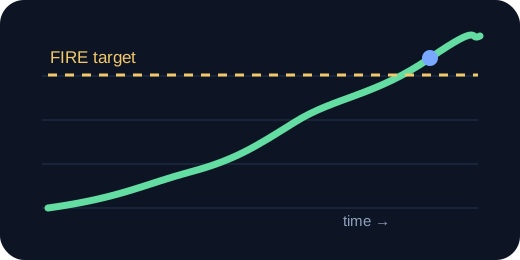 NEW · AVAILABLE
Estimate your FIRE number, timeline, real-return path and savings required for a target horizon.
FinanceTools.io is built around practical tasks, not around showing every metric just because it exists.
Each screen focuses on one main task and keeps secondary detail out of the way until you need it.
A useful number needs context. Results explain what changed, what matters and which assumptions limit the estimate.
Related tools connect around real tasks so you can reuse context and reach the next answer with fewer steps.
Twenty-seven tools are live today, with a growing library built around markets, trading risk and financial planning.